milk.
I ate slowly because my stomach hurt from hunger and worry.
A hospital social worker sat beside me that evening.
She introduced herself as Marissa and explained that her job was to help keep children safe.
She didn’t make me repeat everything at once.
She asked simple questions and let me stop when I needed to.
I told her about the counted diapers, the locked pantry, the nights without air-conditioning, and the times Valerie left me alone to care for my brothers.
When she asked whether anyone had ever hurt me, I hesitated.
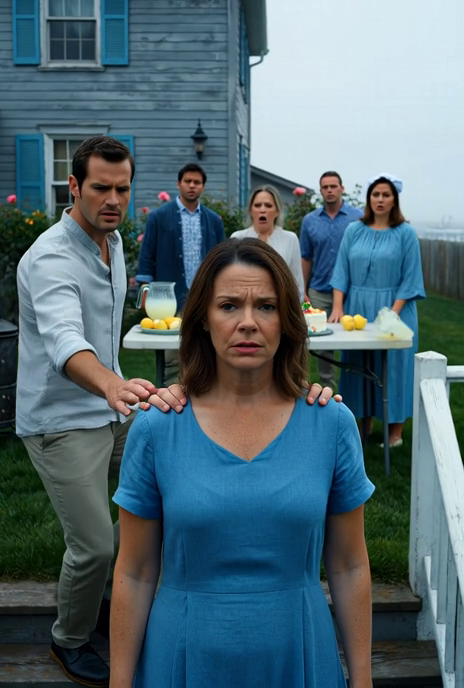
Then I told her about the porch.
Marissa wrote down what I said.
‘I should have been better,’ I whispered.
She put her pen down.
‘Better at what?’
‘Taking care of them.
If I hadn’t used that scoop, they wouldn’t have been angry.’
She leaned forward.
‘June, feeding babies and getting medical care for them are adult responsibilities.
You were trying to help your brothers.
You did not cause this.’
I looked through the window of the hospital room, where the evening sky was turning purple.
I didn’t know what to say.
Nobody had spoken to me like that since my mother died.
For the next two days, child-protection investigators gathered information from the hospital, the neighbors, and the adults involved.
Mr.
Okafor provided video from his front-door camera showing Valerie pushing us outside and Grant leaving the infant carrier on the porch.
Other neighbors confirmed hearing arguments about the babies’ feeding and seeing me regularly carrying supplies while the adults entertained guests.
Nadia supplied financial documents and copies of the troubling invoices to the appropriate investigators.
Meanwhile, Ruth remained nearby, visiting whenever she was allowed and working with the agency to complete the necessary checks for an emergency kinship placement.
She brought clean clothes, a small stuffed bear for me, and the same blue duck bag I remembered from our old kitchen.
On the second evening, she sat beside my bed and held my hand.
‘June, I need you to hear something,’ she said.
I watched her carefully.
‘I never said no to taking you.
I never stopped trying to reach you.’
‘Why didn’t you come sooner?’
Her eyes glistened.
‘I tried.
Your aunt and uncle told people you were settling in and that visitors would upset you.
They blocked my calls.
When I learned the court had received a letter saying I refused placement, I contacted Nadia immediately.’
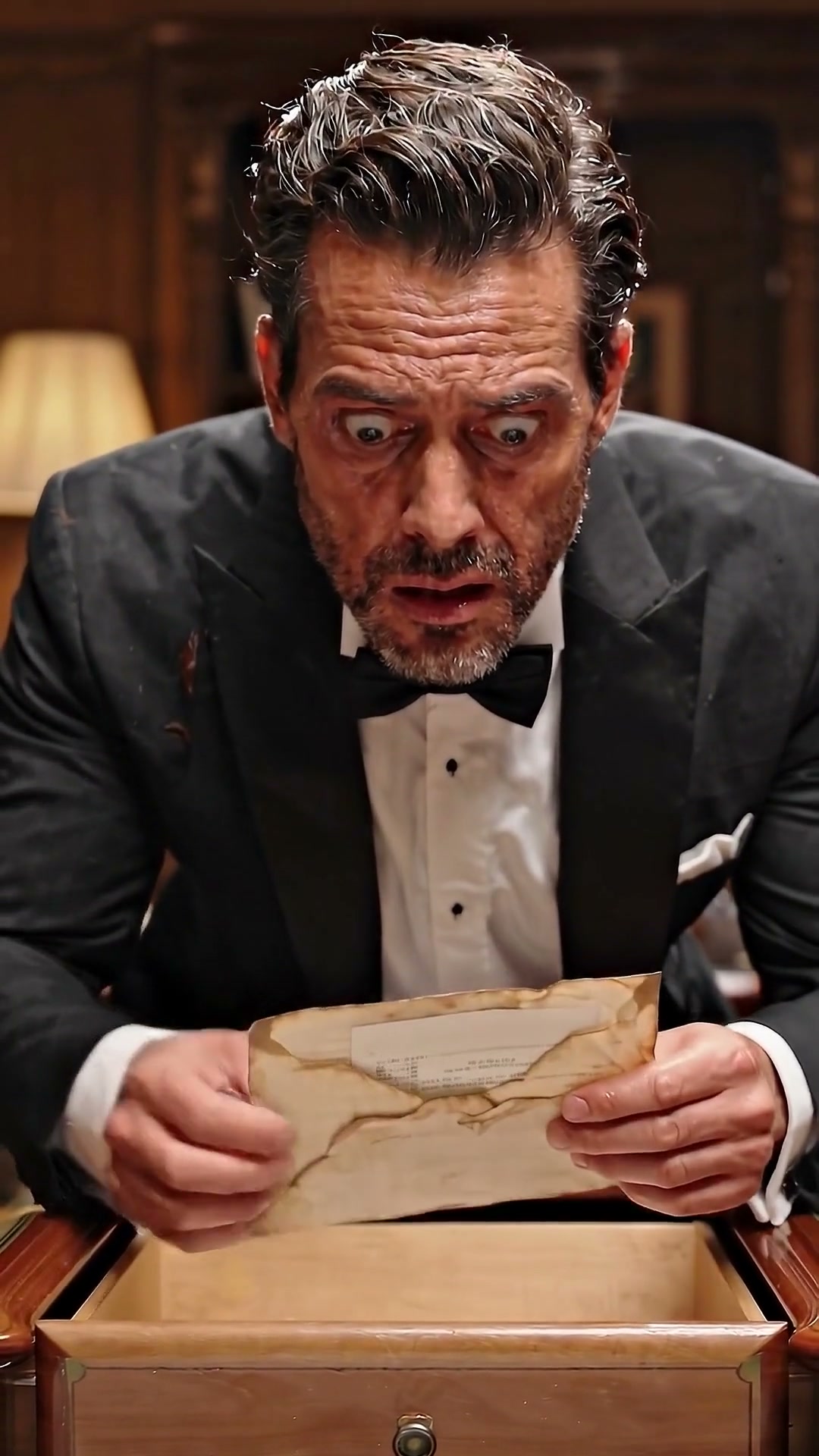
She reached into her bag and withdrew an envelope.
‘Your mother wrote this before the twins were born.’
Inside was a letter addressed to the attorney responsible for the family’s estate planning.
It explained that if both parents died, their preferred guardian was Ruth Bennett, who had agreed to the responsibility in advance.
The letter did not give Ruth automatic custody.
The court would still have to consider our best interests and issue the necessary orders.
But it established something Valerie had hidden from me.
My parents had planned for us to stay together with someone they trusted.
They had not intended for an eight-year-old girl to become the main caregiver for two infants.
Ruth showed me a photograph from the day the twins came home from the hospital.
Mom was sitting on the couch, holding Miles, while Dad balanced Leo in the crook of his