a modest two-bedroom condo outside Cranston with a much smaller monthly cost.
There was no basement for Tyler.
That created the next crisis.
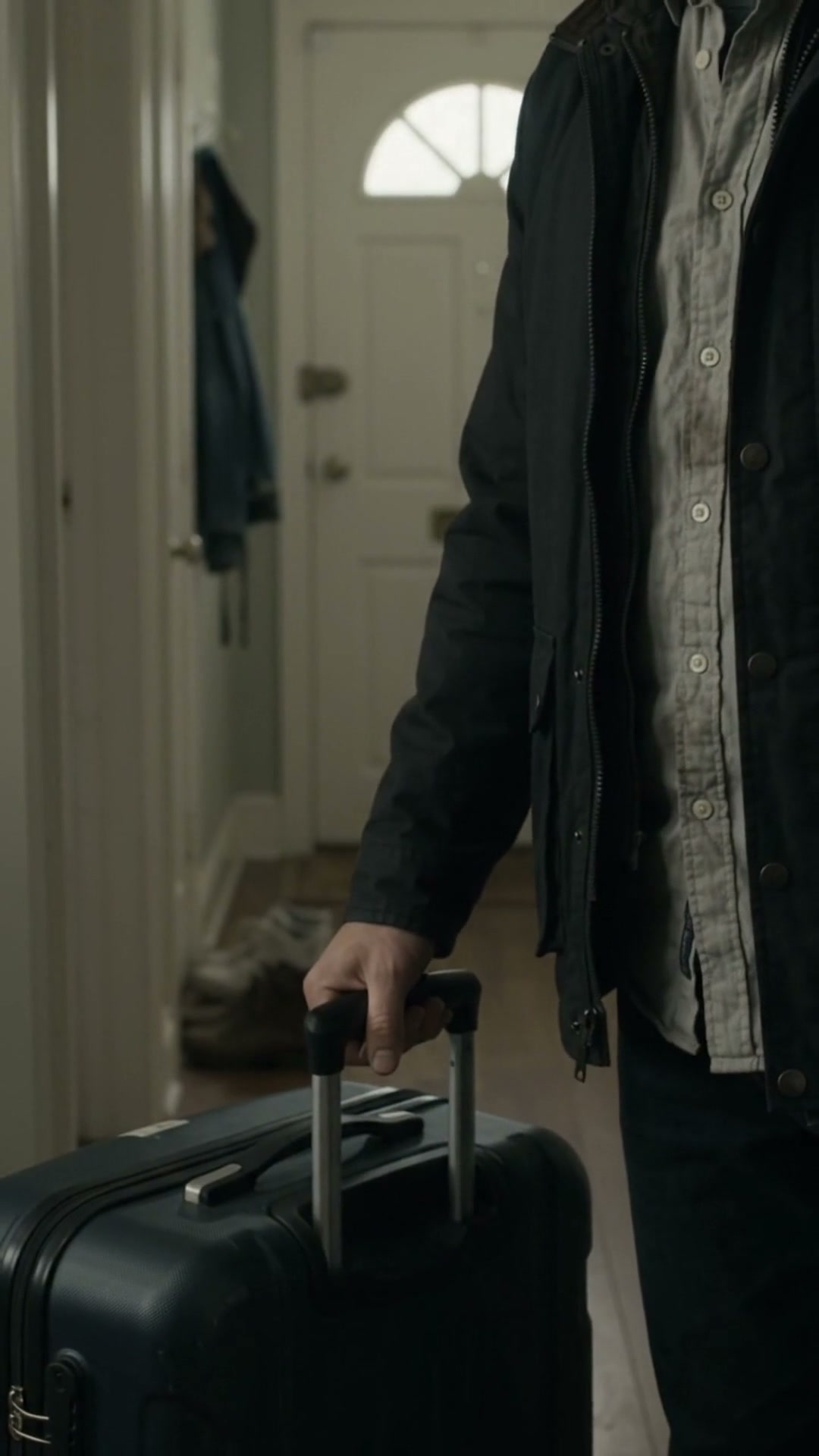
He called me one evening.
‘So where am I supposed to go?’
I almost couldn’t believe the question.
‘You’re thirty-one, Tyler.’
‘Rent is insane.’
‘I know.
I’ve been paying it for thirteen years.’
He accused me of being cold.
I told him I loved him.
Then I refused to fund an apartment.
Tyler eventually rented a place with a coworker and, to everyone’s surprise, managed to pay his share every month once there was no alternative.
Dad found part-time work estimating projects for a former colleague.
Mom increased her hours.
Their condo wasn’t impressive enough for Dad to boast about, but it was affordable.
And I discovered something almost embarrassing.
My own life became easier almost immediately.
For years, I had been telling myself I couldn’t afford to buy a home because property prices were too high.
Six months after I stopped financing my parents’ lifestyle, I looked at my accounts and realized how much money I had been sending away.
I increased my retirement contributions.
I rebuilt my emergency fund.
Then I began saving for a down payment.
The following spring, I bought a small two-bedroom townhouse outside Hartford.
Nothing about it was extravagant.
The kitchen counters were dated.
One closet door stuck in humid weather.
The backyard was barely large enough for a table and four chairs.
But the first night I slept there, I woke before dawn and walked downstairs barefoot.
The house was silent.
No guilt-ridden voicemails.
No emergency transfers.
No messages about someone else’s mortgage.
Just morning light coming through windows that belonged to a life I was finally paying for myself.
My relationship with my parents changed too.
For several months, conversations with Dad stayed short.
Mom was the first to soften.
Almost a year after the birthday party, she asked if she could visit.
She arrived carrying a small lemon cake from the same bakery I had used for Dad’s party.
We sat at my kitchen table.
For a while she talked about ordinary things.
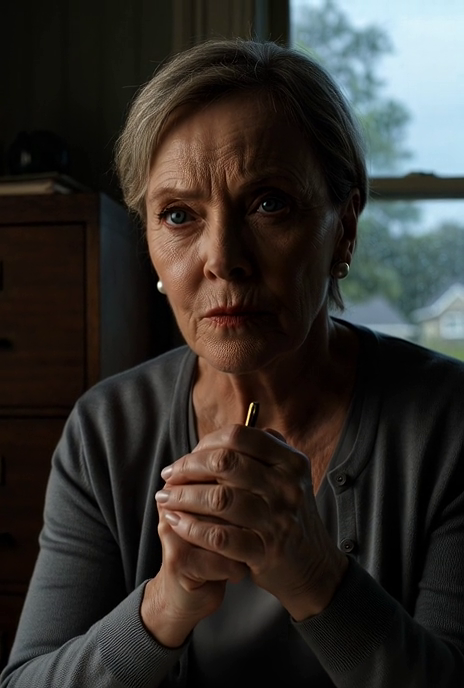
Then she looked toward the window and said, ‘I owe you an apology that isn’t attached to a bill.’
I said nothing.
She folded her hands.
‘We got used to you fixing everything.
Somewhere along the way, we started treating your help like an obligation.’
I swallowed.
Mom continued.
‘And when your father told you to leave, I should have stopped him.
Instead I joined him because I thought you would cool down and keep doing what you always did.’
‘Pay.’
She nodded.
‘Yes.’
It wasn’t a perfect apology.
It didn’t erase years of imbalance.
But it was honest.
Dad’s apology came later and with considerably more difficulty.
He never became a man who enjoyed admitting he had been wrong.
But one afternoon while helping me tighten a loose railing on my back steps, he suddenly said, ‘I shouldn’t have said nobody wanted you there.’
I looked at him.
He kept his eyes on the wrench.
‘I was showing off,’ he added.
‘Trying to look like I controlled everything.’
That was probably as close to the truth as Dad could get.
‘I know,’ I said.
He nodded once.
We never returned to the old arrangement.