arm.
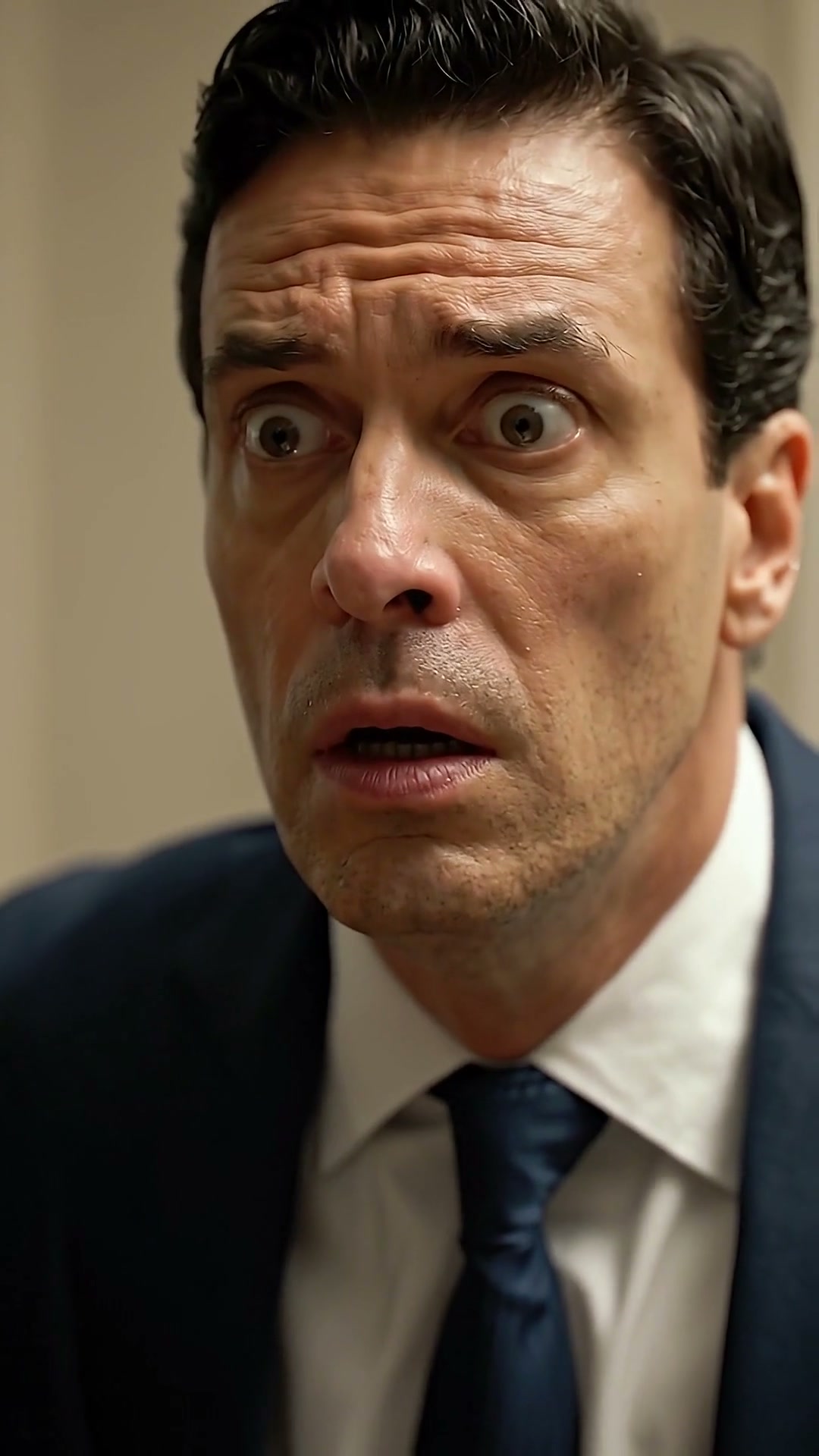
The dinner guests looked away with the peculiar cowardice of people who knew something was wrong but preferred comfort over involvement.
Adrian and Celeste propelled me toward the rear hall.
I fought them, but I had one arm wrapped around Micah and would not risk dropping him.
“Let go of me!”
“You’re hysterical,” Adrian snapped.
“He is not breathing normally!”
Celeste opened the patio doors.
Freezing sleet struck my face.
The temperature outside was below twenty degrees, and wind knifed across the terrace.
“You want to make a scene?” Celeste said.
“Make it somewhere our guests cannot hear you.”
Adrian shoved me forward.
My knee hit the icy stone.
Instinct took over.
I twisted as I fell, taking the impact on my hip and shoulder so Micah remained protected against my chest.
The doors began closing.
“Adrian!”
He looked directly at me.
I saw the keys in his pocket.
“Please.”
That word cost me more than he would ever understand.
“Please give me the keys.
He’s your son.”
Celeste smiled without warmth.
“There is a groundskeeper’s shed beyond the pool.
Sleep there if you insist on behaving like street trash.”
Then Adrian lifted his champagne glass.
The door closed.
The lock clicked.
I lunged for the handle.
Locked.
I struck the glass with my palm.
“ADRIAN!”
He turned away.
That was the final moment of my marriage.
Not the arrest.
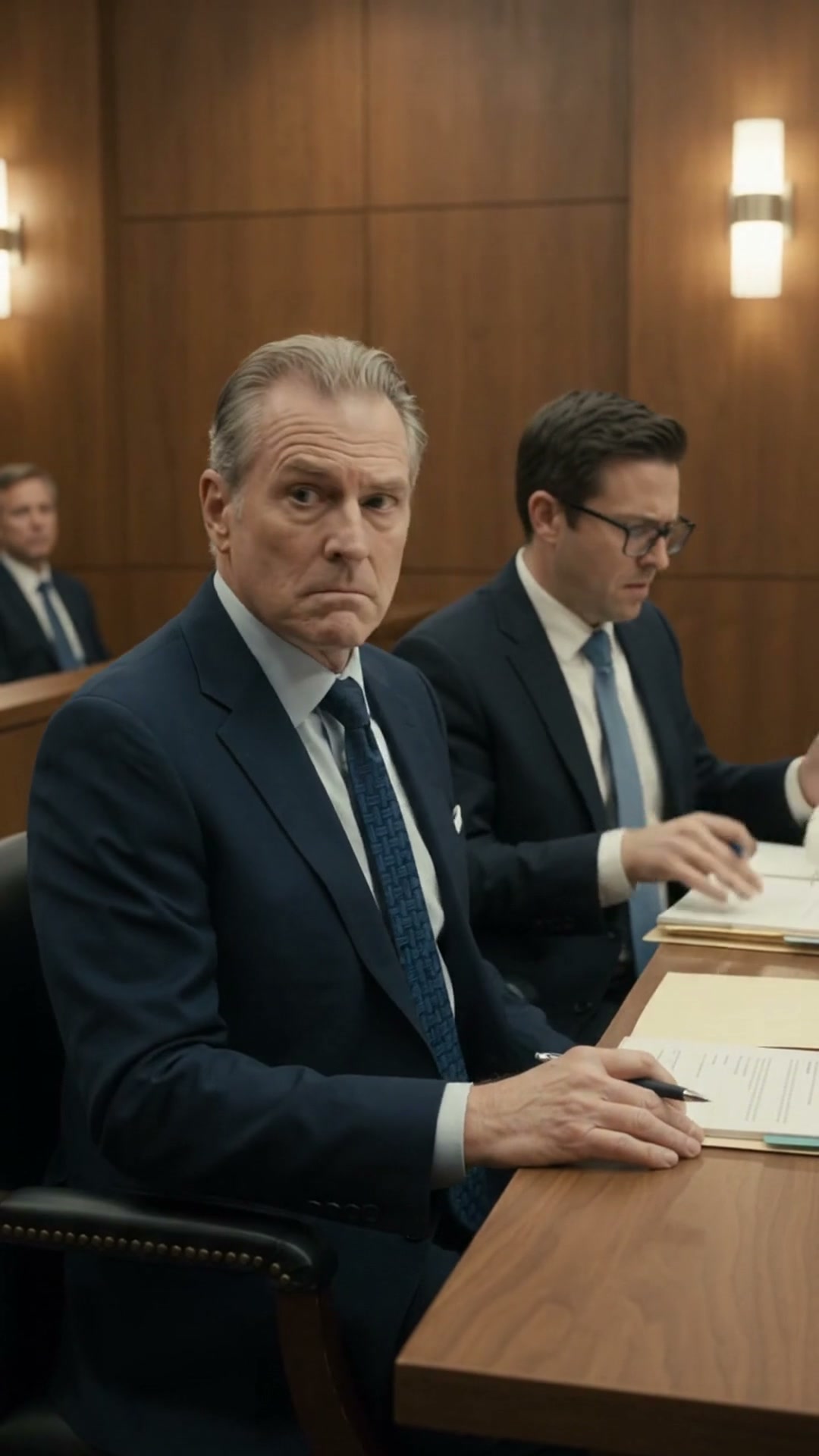
Not the courtroom.
Not the divorce hearing months later.
That moment.
The instant he heard his premature son’s breathing fail and chose a room full of wealthy strangers over opening a door.
Micah went limp.
I looked down.
His mouth was open, but no air moved.
His lips were dark violet.
My training returned before fear could paralyze me.
I lowered myself beneath the covered portion of the terrace, opened his airway, and began infant rescue breathing while dialing emergency services with numb fingers.
The call struggled to connect in the storm.
Then I remembered the device beneath my coat.
Small.
Black.
Unmarked.
The Vance family believed it was an old military pager.
Adrian once joked that I carried it because I missed feeling important.
He had never known what it actually was.
My name is Major Mara Rowan Vance.
Before my pregnancy, I served as an Air Force combat rescue officer attached to a joint special operations element.
Most of my relatives believed I coordinated transportation.
Adrian knew I had deployed, but I never discussed classified assignments, and his interest ended whenever a conversation stopped being about him.
Six months earlier, after an operation overseas resulted in credible threats against several members of our unit, I had been issued a secure distress transmitter during the continuing investigation.
It was not a device for summoning soldiers because of a domestic argument.
It was reserved for immediate threats to life when conventional communication might fail.
That night qualified.
I pulled off my glove, exposed the recessed switch, and held it for three seconds.
The transmitter vibrated twice.
Signal sent.
My identification, location, and emergency status entered the protected response network monitored by military security personnel coordinating with local law enforcement.
I looked through the glass.
Adrian had returned to the dinner table.
I whispered, “You just started a war with the wrong mother.”
Then I focused entirely on Micah.
I