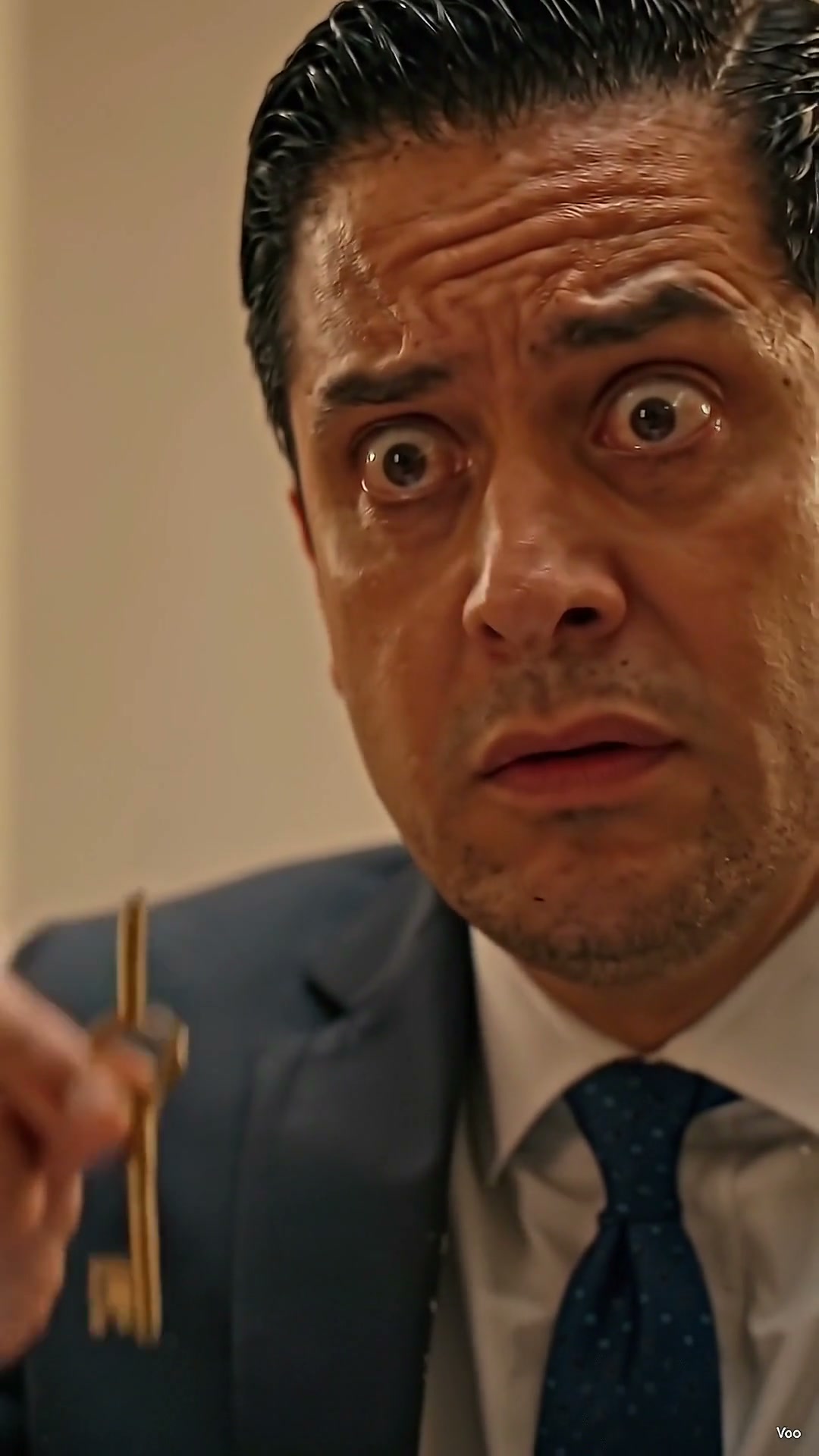
with Tom and me for twenty years.
He was one of the few people who could tell when I was upset without asking.
“We have a problem,” he said quietly.
He led me into the private conference room.
Our controller had received a request the previous afternoon for an urgent $18,000 payment from a corporate account.
The recipient was a small event-styling business registered to Sienna Corbett.
The request described the transfer as an approved reimbursement and contained what appeared to be my authorization.
“Nothing was paid,” Rafael assured me.
“Our procedures require independent verification.
The controller contacted me immediately.”
He turned the folder toward me.
On the final page was my signature.
It looked convincing at first glance.
But I knew I had never signed the form.
Then I noticed something unusual about the final letter of my surname.
A tiny dark mark appeared below it.
I recognized that mark.
Two years earlier, while approving repairs to the guest cottage, I’d signed a document on the kitchen counter.
A drop of coffee had fallen across the corner of the page.
Sienna had photographed that document to send it to the contractor.
Someone had apparently copied my signature from that image, including the tiny stain, and inserted it into the transfer request.
I sat very still.
“Can we prove where the request came from?” I asked.
“We have the originating email, its attachments, and the recipient information,” Rafael answered.
“Our attorney is reviewing everything.”
“Preserve the originals.
Don’t confront anyone through the company.”
He nodded.
“Already done.”
I had spent years teaching employees to protect the business from unauthorized payments.
Never had I imagined the attempted breach would involve someone who ate dinner in my house.
I boarded the aircraft, but I couldn’t concentrate on the contract folder waiting in the cabin.
Instead, I remembered Tom.
During our earliest years, we sometimes argued about lending money to relatives.
I believed generosity should be automatic.
Tom believed it should be thoughtful.
“Ada,” he once told me, “helping someone stand is different from letting them use you as the floor.”
At the time, I’d accused him of being too practical.
Now I understood what he’d been trying to protect.
The St.
Louis meeting was important.
We were finalizing a long-term logistics partnership that would expand our operations and create new technical jobs.
I signed the agreement shortly after noon.
There were congratulations, photographs, and a brief lunch with the management team.
But while everyone celebrated the contract, I kept thinking about the confrontation waiting at home.
I had no intention of using corporate money to settle a family argument.
I also had no intention of allowing a family argument to become an excuse for stealing from the company.
Before flying home, I asked our attorney to document the attempted transfer, review my household financial arrangements, and advise me about ending the guest-cottage occupancy lawfully.
Then I made another call.
This one was to Sienna’s mother, Carol.
“Carol, I hope I’m not interrupting,” I began.
“I understand you and your husband are going to Maui next week.”
There was a long silence.
“Maui?” she repeated.
“Yes.
Sienna said she needed money for your resort.”
Carol sounded bewildered.
“Ada, we aren’t going to Maui.”
I sat upright.
“You’re not?”
“Sienna mentioned she wanted to