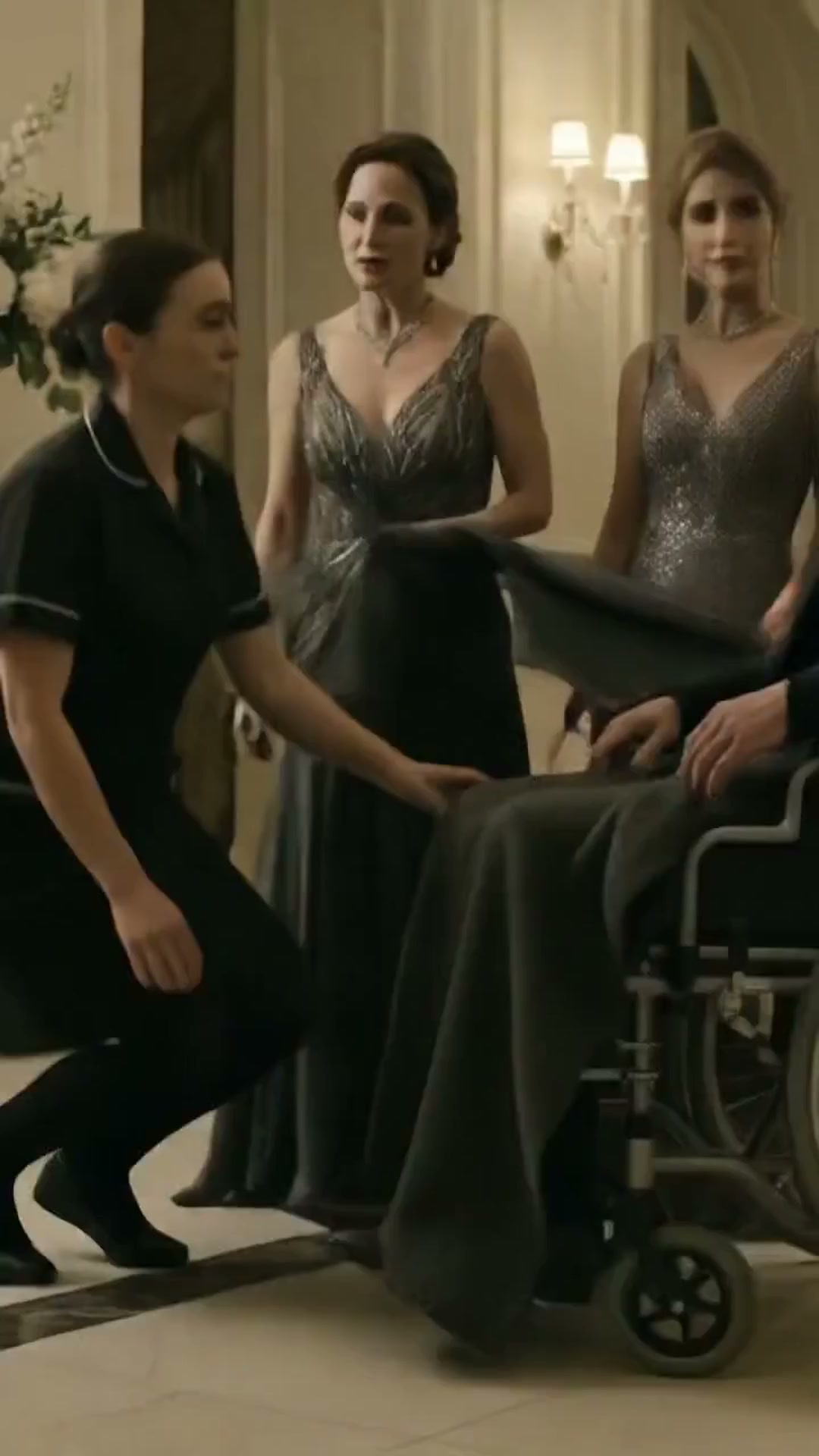
during dinner, Barbara lectured her about manners.
I tried speaking to David about it.
He always looked uncomfortable.
“Mom doesn’t mean everything the way it sounds,” he’d say.
“She means enough of it,” I would answer.
David was a loving father in a thousand ordinary ways.
He packed lunches, attended parent-teacher conferences, and knew which stuffed animal Emma needed when she was sick.
But whenever Barbara was involved, he became the quiet boy who’d spent his childhood avoiding his mother’s temper.
I understood why he did it.
I also knew that understanding it didn’t make it acceptable.
The situation grew worse during the autumn when Emma turned ten.
In October, her art teacher, Ms.
Vega, assigned a project about designing something useful from discarded materials.
Emma came home with an old navy school blazer from a donation box, three mismatched scarves, and a head full of ideas.
For two weeks, our dining room became her design studio.
She drew adjustable side panels, cuffs that could unfold to add length, and a reversible lining made from soft fabric scraps.
She added a small hidden pocket because she remembered keeping a photograph of her mother inside her coat when she was little.
She named the finished concept the Growing Coat.
On October 12, Ms.
Vega photographed Emma standing beside her first cardboard pattern at the school art workshop.
The teacher later shared those pictures with David and me.
George was delighted.
He came over one Saturday with a box of old fabric samples from his consulting work in manufacturing.
“Try these,” he told Emma.
“They’ve been sitting in storage for years.”
Emma examined the samples like they were diamonds.
That evening, she told me she wanted to make clothing for children whose parents couldn’t afford to replace everything every season.
I thought it was a wonderful idea.
Then something unexpected happened.
Fable & Fern, the luxury label Barbara adored, announced a national competition called the Growing Room Junior Designer Program.
Children between nine and fourteen could submit original clothing concepts that promoted sustainability, comfort, or adaptability.
The winner would be offered a supervised twelve-month design mentorship, a $28,000 education grant, and a paid licensing agreement for a limited collection.
It wasn’t a regular job.
Children wouldn’t be running factories or abandoning school to work for a fashion company.
The agreement required a legal guardian, protected the child’s education, and provided professional designers to develop the winning concepts.
Emma read the rules three times.
“Do you think I could try?” she asked.
I looked at her drawings spread across our dining room table.
“I think you’d regret it if you didn’t.”
David signed the parental permission form.
I helped scan the sketches and upload photographs of Emma’s fabric samples.
On November 18, we submitted her portfolio through the company’s official portal.
Emma recorded the confirmation number in her sketchbook and tucked the printed receipt inside a blue folder.
She made me promise not to tell Barbara.
“I don’t want Grandma to say I only entered because Olivia likes that brand,” she explained.
I respected her decision.
Nine days later, we went to Barbara’s house for Thanksgiving.
That was when the first warning appeared, although I didn’t recognize it at the time.
Emma brought her sketchbook because George had asked to see the latest