THE DAY MY SON LEFT ME ON A COUNTRY ROAD, HE THOUGHT HE HAD INHERITED EVERYTHING.
HE WAS WRONG.
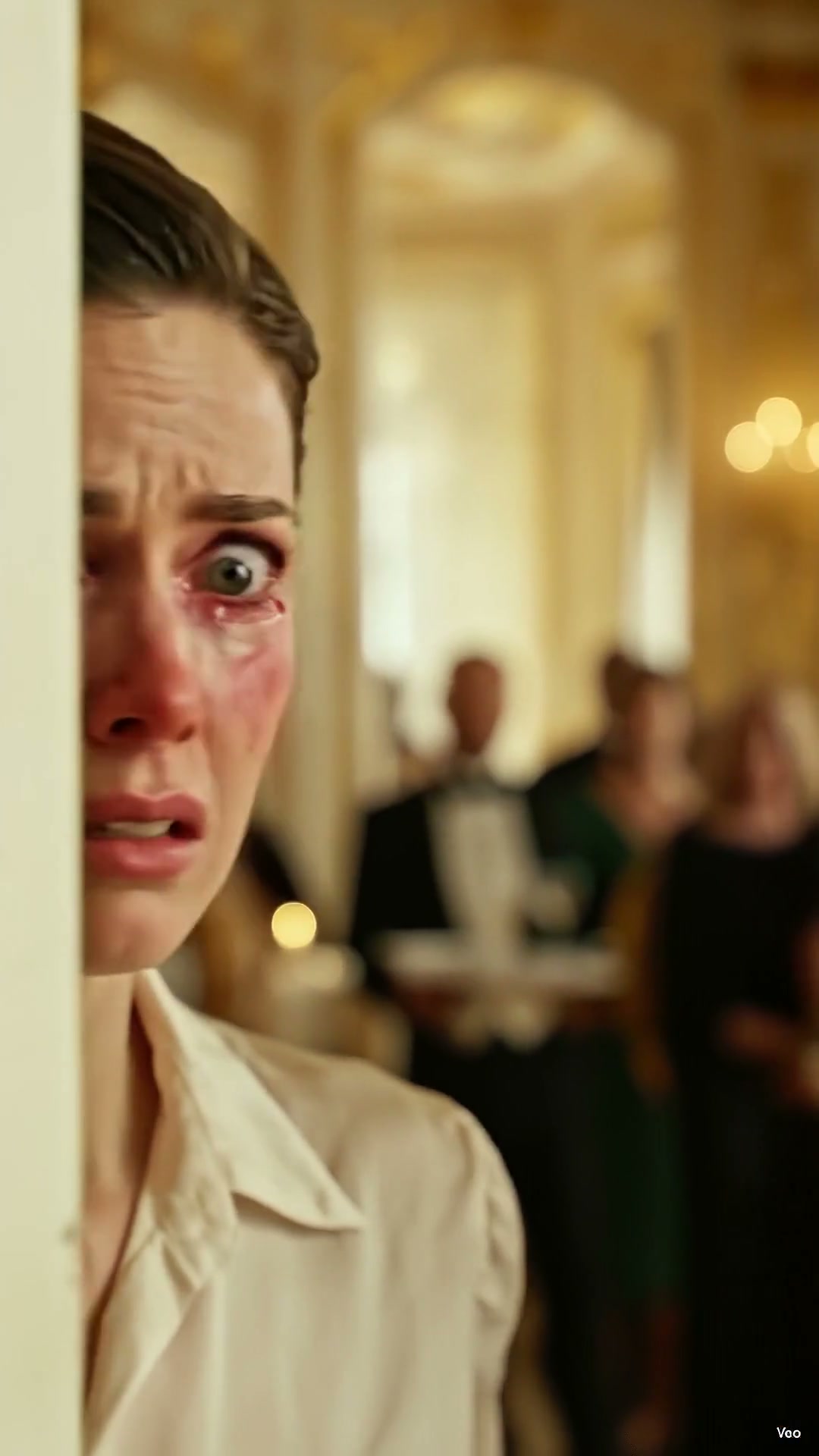
The gravel beneath my funeral shoes sounded like teeth breaking.
Dust climbed my black stockings, and the damp smell of early spring rose from the ditch.
My husband, Robert, had always loved that smell after a hard winter.
He would stand on our back porch with his coffee cooling in one hand and say, “The ground’s trying again.”
I watched our son’s SUV roll forward, pause for half a breath, then disappear around the bend where the fields swallowed the road.
I did not chase him.
I did not scream his name.
My throat was too dry for begging, and my hands were too steady for panic.
Three days earlier, I had stood beside Robert’s grave with a folded funeral program crushed in my palm.
Our neighbors had filled the kitchen with foil pans, casseroles, and paper plates.
My children arrived like grief was something they needed to fit between appointments.
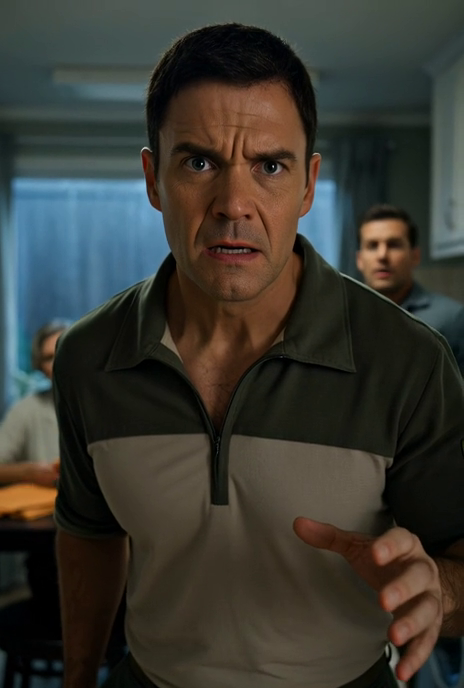
My son, Daniel, kept his phone facedown on the dining table, but his eyes kept sliding toward it.
He talked about meetings, payroll, flights, and the business, as though his father had not built that company one invoice, one handshake, and one sleepless night at a time.
My daughter, Ashley, hugged me without really touching me.
Her black blouse was immaculate, and her expensive sunglasses remained pushed into her hair.
“Mom, we just want this to be manageable,” she said.
Manageable.
For thirty-two years, that house had been my whole address in the world.
I had packed lunches at the kitchen counter, signed school permission slips at the dining table, and sat beside Robert through two recessions, one frightening cancer scare, and the night our first warehouse nearly burned.
I had given Daniel keys, passwords, introductions, and every benefit that came with being trusted.
Trust is a strange inheritance.
Some people receive it and mistake it for ownership.
THE PAPERS BESIDE MY COFFEE
The first night after the funeral, Daniel opened his laptop at my dining table.
“We should talk about next steps,” he said.
He did not ask whether I had eaten.
He did not ask whether I wanted him to stay the night.
He simply placed a printed list before me: household accounts, business accounts, vehicle titles, and insurance policies.
I noticed what he had left out.
At 6:40 the following morning, Ashley handed me an unfamiliar suitcase.
Daniel said they were going to show me a place that might be good for me.
“I am not going anywhere,” I replied.
He smiled as though he had expected the objection.
“Just come take a look, Mom.
It’s easier if we do this calmly.”
Calmly.
That was the word people used when they had already made a cruel decision and wanted you to lower your voice while they carried it out.
I walked through my own house like a visitor.
I passed the pencil marks on the hallway wall that recorded my children’s heights.
I passed a framed photograph of Robert opening his second office.
In the kitchen, the coffee mug he had used the previous morning still sat beside the sink.
I picked up my purse.
It was heavier than it looked.
Inside its deepest pocket was a